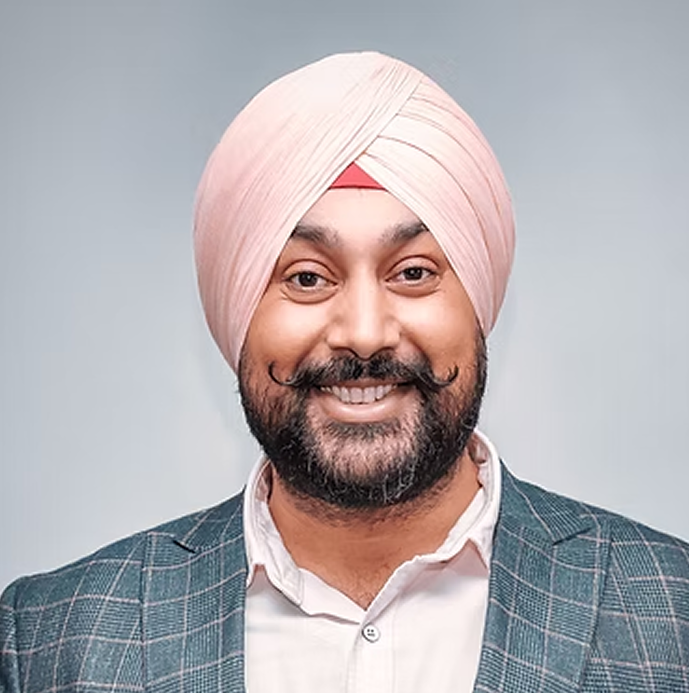
Author: Harmeen Kaur
Co-Founder, Seek Education Solutions | JD Student | Published Author | Lover of a good audit checklist
I did not really choose Australia.
At 19, I moved from Zambia to Sydney because my family did. Suddenly, I was enrolled in an international college, trying to understand a new education system, a new city and a very different way of life.
I did not have a grand plan to work in education. Like many students, I was simply trying to find my feet.
While studying, I started volunteering in an administration office. It was not glamorous work. It involved paperwork, enrolments, student questions and the day-to-day tasks that keep a college running.
But it gave me something valuable: a behind-the-scenes view of education.
I saw how much happens outside the classroom. I saw how policies, student support, trainers, compliance, leadership and culture all affect a student’s experience. I also saw that when these things are not working well, students are usually the first to feel it.
That experience stayed with me.
Over the years, I worked in student support and education operations, ran my own RTO in my twenties through Australian Transnational Education, and became involved in TEQSA-accredited provider and course registration work.
I learned a lot through formal study, but I learned just as much by being in the room: listening to students, sitting in governance meetings, preparing for audits, fixing systems that were not working, and watching strong leaders make difficult decisions.
I am now also studying law, because apparently education compliance was not enough of a challenge.
For international students in Australia, there are three things I wish more people talked about:
1. Your attitude matters more than you think.
Grades are important, but so are reliability, curiosity, communication and the ability to work well with people. Those things will open doors.
2. Do not dismiss the “boring” opportunities.
Helping with enrolment paperwork, attending a meeting, assisting a coordinator or understanding how an audit works may not sound exciting. But those experiences teach you how organisations really operate.
3. Mentors do not always arrive formally.
Sometimes mentorship is asking someone a question. Sometimes it is observing how a capable person handles pressure, solves a problem or treats others. Pay attention to the people doing good work.
For education providers, I also believe we need to move beyond compliance that exists only on paper.
TEQSA and ASQA are not simply looking for a folder of policies. They are looking at whether your systems actually operate in practice, whether staff understand them, whether students are supported, and whether leadership takes responsibility for quality.
A policy is not useful because it looks professional. It is useful when it helps people make better decisions.
That is one of the reasons I started Seek Education Solutions.
I have been the student trying to understand what comes next. I have been the CEO preparing for audits while raising a newborn. I have worked with teams who were exhausted by unclear processes, inconsistent leadership and compliance that felt disconnected from reality.
Education should not be treated as a commodity.
It should be protected, nurtured and designed around real people: students who are trying to build a future, educators who care about their work, and providers who want to do the right thing.
Whether you are a student trying to understand CRICOS requirements, a provider preparing for TEQSA or ASQA, or a trainer who wants to feel heard, there is always a better way to build education.
That is the work I care about.
You’re not alone.
👋 Reach out, say hi, and let’s make sense of it together.